



Ear Soreness Following Wisdom Teeth Removal
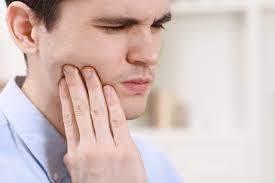
It is common for patients to experience ear pain from wisdom teeth removal following surgery, even though the extraction occurs solely in the mouth. The jaw, teeth, and ear are closely connected through nerves and muscles, and irritation in one area can easily radiate discomfort to another. Many individuals describe this sensation as a dull ache, pressure, or throbbing that can make eating, talking, or lying down uncomfortable. Understanding the reasons behind this ear soreness helps patients navigate recovery with confidence and reduces unnecessary worry about potential complications.
Wisdom tooth extraction is a surgical procedure that can vary from simple removal to complex operations involving impacted teeth. The surrounding tissues respond with inflammation, swelling, and muscle tension, all of which can influence areas near the ear. Recognizing how this happens allows patients to differentiate between normal healing symptoms and warning signs of issues that may need professional attention.
Educational platforms like Dental Advice Today emphasize that experiencing ear soreness after wisdom tooth removal is a normal part of recovery for many patients. Awareness of these symptoms ensures that individuals are prepared and informed during the healing process, reducing anxiety and helping them follow proper aftercare instructions.
Why Ear Soreness Occurs After Wisdom Tooth Extraction
The human jaw and ear share anatomical and neurological pathways. When the jaw undergoes surgical trauma, it is common for the ear to register discomfort due to these connections.
Shared Nerve Pathways
The trigeminal nerve, responsible for sensation in the jaw, gums, and teeth, also connects near the ear. Surgical irritation or inflammation around the extraction site can stimulate this nerve, causing the brain to perceive pain in the ear. This type of discomfort is referred to as referred pain.
Jaw Muscle Strain
During surgery, patients often keep their mouths open for extended periods. This can strain muscles like the masseter and temporalis, which influence both jaw function and the area surrounding the ear. Stiffness or tension in these muscles can result in a dull or throbbing sensation that radiates to the ear.
Temporomandibular Joint (TMJ) Tension
The TMJ, located just in front of the ear, can become stressed during extraction procedures. Inflammation or overextension can cause pressure and soreness that are felt in the ear region, even without direct injury to the ear itself.
Common Causes of Ear Pain After Wisdom Tooth Surgery
Several factors contribute to ear discomfort following extraction. Understanding these can help patients identify normal post-operative symptoms versus potential complications.
1. Inflammation and Swelling
Swelling is the body’s natural response to surgical trauma. Inflamed tissues around the extraction site can exert pressure on nearby nerves, causing pain that radiates toward the ear. This discomfort usually peaks within the first 48–72 hours and gradually subsides.
2. Referred Pain
Irritation in the jaw or gums may be interpreted by the brain as ear pain due to the shared nerve pathways. This type of pain is common and usually dull or aching in nature.
3. Muscle and Jaw Strain
Extended mouth opening during surgery can strain the jaw muscles and TMJ. Patients may feel soreness when chewing, talking, or yawning. Gentle stretching and rest can alleviate these symptoms.
4. Dry Socket (Alveolar Osteitis)
Dry socket occurs when the protective blood clot at the extraction site becomes dislodged or dissolves prematurely. This exposes bone and nerves, resulting in severe pain that may radiate to the ear. Symptoms include:
-
Sharp or throbbing pain several days post-surgery
-
Foul taste or odor
-
Visible empty socket
Prompt dental care is required to manage dry socket effectively.
5. Post-Surgical Infection
An infection in the extraction site can cause ear discomfort. Symptoms may include:
-
Persistent or worsening pain
-
Swelling and redness around the extraction area
-
Fever or general malaise
-
Pus or foul discharge
Early intervention is essential to prevent complications.
6. Sinus Involvement
Upper wisdom teeth are near the sinus cavities. Surgical trauma or irritation of the sinus lining may cause pressure that radiates to the ear. Patients may experience nasal congestion, post-nasal drip, or a sensation of fullness in the ears.
Expected Duration of Ear Soreness
Recovery timelines differ depending on the individual and the complexity of the extraction.
Typical Healing Timeline
-
Days 1–3: Pain and swelling are at their peak
-
Days 4–7: Ear discomfort begins to decrease
-
1–2 Weeks: Most swelling subsides, and ear pain resolves
-
2–3 Weeks: Minor jaw stiffness may persist
If ear pain worsens after three days or continues beyond one week, patients should consult their dentist or oral surgeon.
Factors That Can Extend Pain
-
Removal of impacted wisdom teeth
-
Pre-existing TMJ issues
-
Smoking or poor post-operative care
-
Development of infection or dry socket
Understanding these factors allows patients to manage expectations and follow the appropriate recovery plan.
Managing Ear Pain After Wisdom Tooth Extraction
Most post-operative ear discomfort can be managed at home with the following strategies:
1. Cold and Warm Compresses
-
Apply a cold compress during the first 48 hours to reduce swelling.
-
After swelling begins to subside, switch to a warm compress to relax jaw muscles.
Alternate compresses in 15–20 minute intervals for optimal relief.
2. Over-the-Counter Pain Relief
NSAIDs like ibuprofen can help reduce inflammation and pain. Always follow your dentist’s instructions for dosing.
3. Gentle Jaw Exercises
Soft stretches help loosen tight muscles:
-
Slowly open and close your mouth
-
Move your jaw side-to-side
-
Perform small circular motions
Avoid any movements that trigger sharp pain.
4. Soft Diet
Eating soft foods reduces strain on the jaw. Ideal options include:
-
Mashed potatoes
-
Yogurt
-
Smoothies
-
Soups
-
Applesauce
Gradually reintroduce harder foods as healing progresses.
5. Proper Oral Hygiene
Maintaining cleanliness prevents infection and supports healing. Rinse gently with warm saltwater 24 hours after surgery, and follow your dentist’s post-operative care instructions.
6. Adequate Rest
Avoid strenuous activity for the first few days post-surgery. Rest promotes faster healing and reduces discomfort.
When Ear Pain May Indicate a Problem
Although ear soreness is usually normal, some signs indicate a need for professional evaluation:
-
Increasing pain after three days
-
Difficulty opening the mouth fully
-
Fever or other signs of infection
-
Pus or foul odor from the extraction site
-
Persistent or severe ear discomfort
Conditions like dry socket or infection require prompt attention to prevent further complications.
Preventing Ear Soreness in Future Procedures
While some discomfort is inevitable, preventive steps can minimize post-operative ear pain:
Choose a Skilled Oral Surgeon
Experienced surgeons minimize trauma to tissues, reducing inflammation and nerve irritation.
Discuss Sedation Options
Sedation or strategic breaks during surgery reduce jaw strain and prolonged mouth opening, lowering the risk of ear discomfort.
Use Cold Compresses Immediately After Surgery
Applying ice early helps control swelling and reduces pressure on nerves that may radiate to the ear.
Maintain Jaw Health
Regular jaw exercises, stress reduction, and avoiding teeth grinding help protect the TMJ and prevent ear discomfort in future dental procedures.
Conclusion
Ear soreness following wisdom teeth removal is a common and generally harmless side effect of the body’s natural healing process. Because the jaw, teeth, muscles, and nerves are closely interconnected, inflammation and tension can radiate to the ears. Most ear pain improves within a week as swelling decreases and tissues heal.
Understanding why ear pain occurs, recognizing normal versus concerning symptoms, and implementing effective pain management strategies allow for a smoother recovery. Persistent or worsening pain should always be evaluated by a dentist or oral surgeon to ensure proper healing. With proper care, patients can expect a comfortable recovery and full restoration of jaw and oral function.


 English
 Arabic
 Spanish
 Portuguese
 Deutsch
 Turkish
 Dutch
Dutch
 Italiano
 Russian
 Romaian
 Portuguese (Brazil)
 Greek
Greek
 Telugu