



Residential Solar Power: How Much Can You Really Save on Energy Bills?
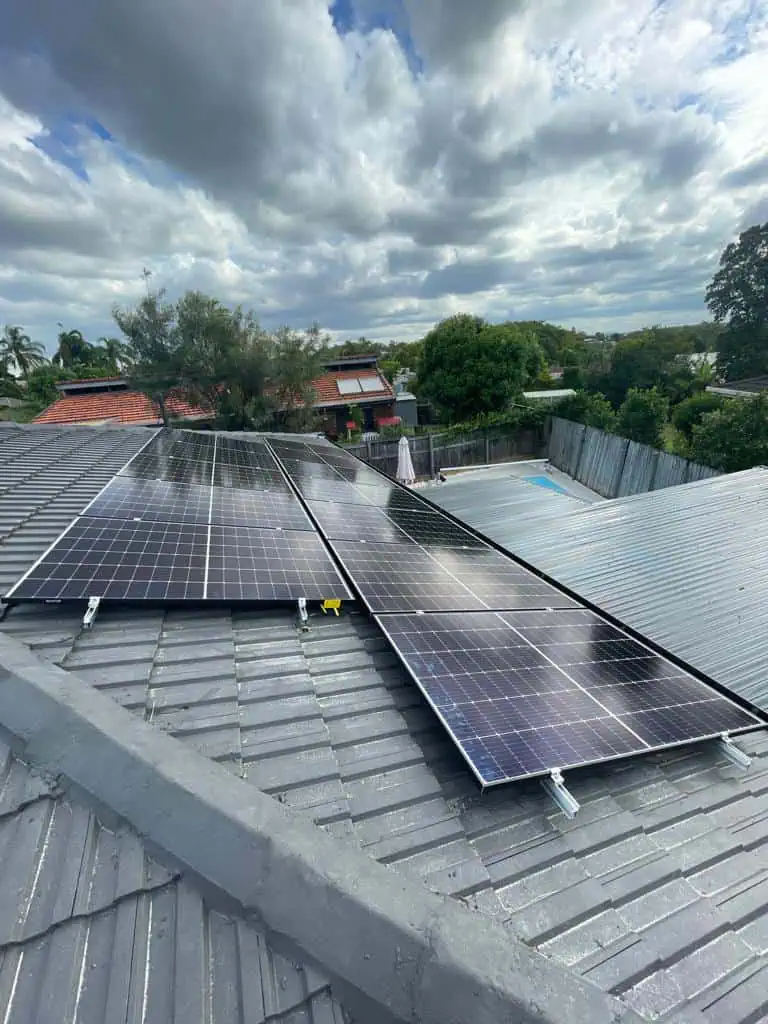
Rooftop solar power is no longer just a futuristic concept—it’s a practical and proven way for homeowners to cut down on electricity costs. As energy prices continue to rise, more households are making the switch to solar, not just to help the environment but to achieve real, lasting savings on their power bills.
But just how much can you actually save by going solar? Let’s break it down in simple, real-world terms.
How Residential Solar Saves You Money
When you install solar panels, you’re generating your own electricity directly from sunlight. This reduces the amount of electricity you need to buy from the grid, lowering your energy bill significantly.
The amount you save depends on a few key factors:
- Your location and how much sunlight you get daily
- The size and efficiency of your solar system
- Your household's energy usage pattern
- Local electricity rates and feed-in tariffs
- Whether or not you have a battery installed
Each of these factors contributes to how much value solar can deliver to your household.
Realistic Energy Bill Savings with Solar
The majority of solar homeowners report a 60% to 70% reduction in their energy bills once their system is up and running.
For example:
- If your average monthly electricity bill is $150, your savings could range between $90 to $105 each month.
- If you typically pay $250 per month, solar could save you around $150 to $187 monthly.
- Larger households with $350+ bills may save upwards of $220 or more per month.
Over the course of a year, this adds up to $1,000 to $3,000 in savings, and over 20 years, it could reach tens of thousands of dollars.
Feed-in Tariffs: Earn While You Save
In many parts of the world, including Australia, you can also earn money for the excess power your system produces. This is through something called a feed-in tariff—where your solar power system exports unused electricity back into the grid.
Depending on your energy provider and local policy:
- Feed-in rates typically range from 5 to 15 cents per kilowatt-hour (kWh).
- These credits appear on your bill and further reduce your net costs.
- Even during times when you're not using much power at home, your system is still helping you save—or even earn.
Want Even More Savings? Add a Battery
If you add a solar battery to your system, you can store unused electricity during the day and use it at night—when grid electricity is most expensive.
Benefits include:
- More self-consumption of your own solar energy
- Lower reliance on the grid
- Better backup power in case of blackouts
- Protection from peak-time electricity rates
While batteries do add to the upfront cost, they provide greater control and long-term cost benefits.
When Will Your Solar System Pay for Itself?
Most residential systems in sunny regions like Australia or the U.S. reach payback in 4 to 7 years, depending on:
- The size of your system
- Your local rebates and incentives
- How much electricity you typically consume
After the system pays for itself, the electricity it generates is essentially free for the next 15–20 years, leading to substantial net savings.
Government Incentives Can Make It Even Better
Many countries and states offer financial support for solar adopters. In Australia, for instance:
- Small-scale Technology Certificates (STCs) can reduce installation costs by thousands
- Some states provide rebates or interest-free loans for solar and batteries
- In the U.S., homeowners may qualify for a 30% federal tax credit
These incentives make solar more affordable and shorten your payback period significantly.
Long-Term Financial Impact
Let’s paint a picture:
Imagine you currently spend around $250 per month on electricity. Over 20 years, without solar, that adds up to $60,000 or more, assuming no rate increases. With solar, your total power costs (including system installation and minor maintenance) could drop to $20,000 to $30,000—saving you $30,000 to $40,000 over time.
Plus, your home’s resale value could increase, and you'll enjoy greater protection from energy market volatility.
Final Thoughts: So, How Much Can You Save?
The answer depends on your specific situation, but most homeowners can expect:
- 60% to 70% lower electricity bills
- Payback in less than 7 years
- $20,000+ in savings over the life of the system
- Improved home value and energy independence
And that’s not even factoring in the positive environmental impact of reducing your carbon footprint.
From Savings to Sustainability: Why Solar Power Is the Future


 English
 Arabic
 French
 Spanish
 Portuguese
 Deutsch
 Turkish
 Italiano
 Russian
 Romaian
 Portuguese (Brazil)
 Greek
Greek
 Telugu