



How to Choose Craft Beer for Beginners
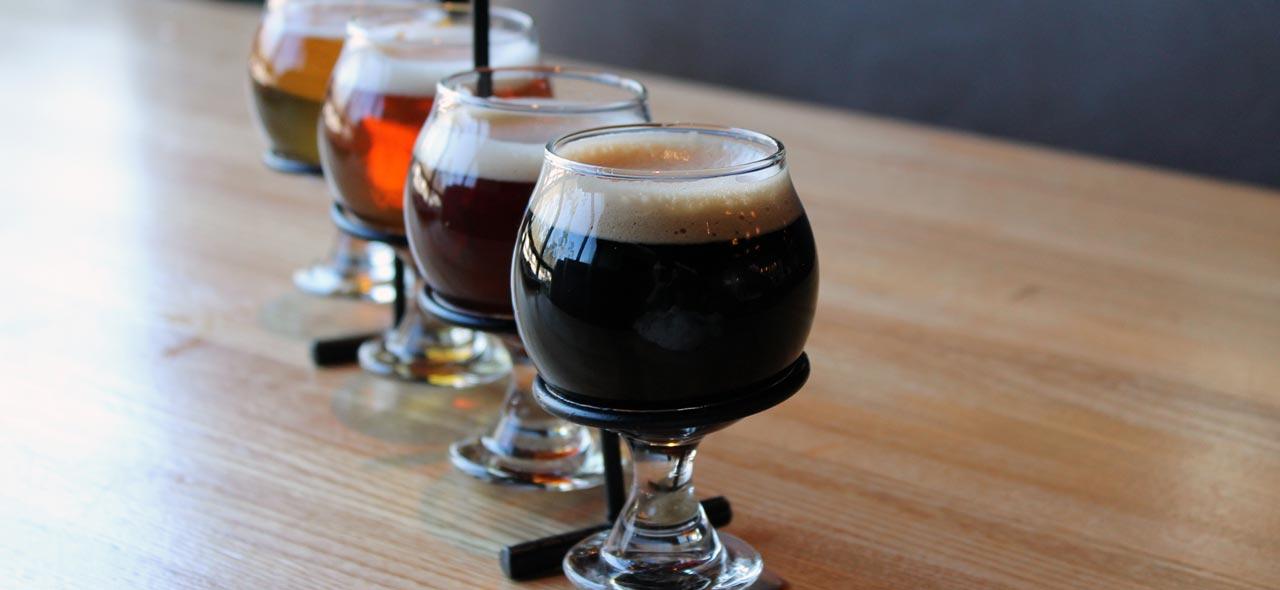
The world of craft beer can feel inviting for beginners. Walk into any well-grazed beer store or browse a restaurant's beer menu, and you will encounter dozens of strange styles, mysterious brewing terms, and endless options that sound nothing like the mass-request lagers utmost people grew up drinking. Still, discovering craft beer does not have to be bogarting it can be an invigorating trip of flavor disquisition that opens up an entirely new dimension of libation enjoyment. Whether you are tired of drinking the same marketable beers or simply curious about what makes craft beer suckers so passionate, learning how to navigate this different geography will enhance your dining gests and help you discover beverages that impeccably match your particular taste preferences. This comprehensive companion will clarify craft beer selection and give you the confidence to explore with purpose and enjoyment.
Understanding the Basics of Beer Styles
Before diving into specific selections, it's helpful to understand the broad orders that organize the craft beer world. Beer styles fall into two main families ales and lagers. Ales are instigated at warmer temperatures with top- stirring incentive, generally producing more complex, gooey, and robust flavors. Lagers raise at cooler temperatures with bottom- stirring incentive, generally creating cleaner, crisper, and more subtle flavor biographies. Within these two families live dozens of distinct styles, each with characteristic flavors, aromas, and appearances. Common ale styles include pale ales, IPAs( India Pale Ales), stouts, janitors, wheat beers, and Belgian ales. Popular lager styles include pilsners, helles, bocks, and amber lagers. Do not worry about learning all these orders incontinently — concentrate rather on understanding that different styles offer dramatically different gests , and part of the fun is discovering which styles reverberate with your palate.
Start with Your Flavor Preferences
The stylish approach to choosing craft beer begins with considering flavors you formerly enjoy in other contexts.However, try stouts and janitors that showcase rich, roasted malt flavors with coffee and chocolate notes, If you love coffee.However, IPAs featuring American hops might appeal to you with their bright grapefruit, orange, If you enjoy citrus fruits or tropical flavors. suckers of chuck, wheat, and grain flavors frequently gravitate toward wheat beers, pilsners, and golden ales that punctuate malt agreeableness and goofy notes. Those who appreciate racy or complex flavors might enjoy Belgian ales with their distinctive incentive character. Starting from familiar flavor homes makes the disquisition less arbitrary and increases your chances of chancing beers you authentically enjoy rather than forcing yourself to appreciate styles that do not suit your taste.
Pay Attention to ABV and IBU
Two important figures appear on utmost craft beer markers and menus ABV( Alcohol by Volume) and IBU( transnational Bitterness Units). ABV indicates the alcohol content, with utmost craft beers ranging from 4 to 7, though some styles go much advanced. As a freshman, starting with lower ABV beers( 4- 5.5) allows you to appreciate flavors without alcohol overwhelming your palate or affecting you too snappily. IBU measures bitterness, with figures generally ranging from 10( veritably mild) to 100( intensively bitter). Lower IBU beers( 15- 30) taste smoother and further approachable, while advanced IBU beers deliver pronounced hop bitterness that acquired- taste alkies love but can overwhelm beginners. utmost beer menus and markers display these figures, giving you objective data to guide selections. Start with lower figures in both orders and gradationally explore advanced ranges as your palate develops.
Begin with Gateway Styles
Certain beer styles are particularly freshman-friendly, offering intriguing flavor without inviting complexity or extreme characteristics. Wheat beers like hefeweizens and witbiers give smooth, slightly sweet biographies with subtle fruit and spice notes that utmost palates find approachable. golden ales and cream ales offer clean, balanced flavors that showcase craft quality without challenging your taste kids. Amber ales give a nice preface to malt-forward beers with warmish, caramel notes that are not too heavy. Session IPAs deliver hop character and citrus flavors at lower alcohol and bitterness situations than standard IPAs, making them excellent stepping monuments into hop-forward styles. These gateway styles make your craft beer vocabulary and train your palate to appreciate further nuanced flavors before diving further grueling styles like double IPAs, sours, or Homeric stouts.
Read Descriptions and Ask Questions
noway vacillate to ask bartenders, waiters, or beer store staff for guidance utmost craft beer professionals are passionate about participating their knowledge and helping people discover new pets. When reading beer descriptions, look for flavor notes that appeal to you and advising signs about characteristics you might not enjoy. Descriptions mentioning" balanced,"" smooth," or" easy- drinking" generally indicate freshman-friendly options. Terms like" bold," violent," stinky," or" grueling " suggest more acquired tastes. numerous establishments offer tasters or small pours that let you sample before committing to a full glass. Taking advantage of these openings is smart, not skittish — indeed educated craft beer alkies taste before ordering strange beverages. Building connections with knowledgeable staff at your favorite beer destinations creates inestimable coffers for ongoing disquisition and individualized recommendations.
Consider Food Pairings
Beer and food pairing is an art that can dramatically enhance both the libation and the mess. Lighter beers like pilsners and wheat beers round seafood, salads, and lighter chow without inviting delicate flavors. Amber ales and brown ales brace beautifully with burgers, regale, and roasted flesh, with their malty agreeableness balancing savory uproariousness. IPAs cut through adipose foods and racy dishes, making them excellent companions for pizza, fried foods, and racy cookeries. Stouts and janitors elevate goodies and chocolate dishes while also completing rich, hearty refections. When dining out, do not vacillate to ask for pairing suggestions waiters at craft-focused restaurants understand these dynamics and can guide you toward combinations that elevate your entire dining experience.
Explore Original and Regional Breweries
One of craft beer's topmost prayers is discovering original breweries that reflect indigenous character and brewing traditions. Original breweries frequently use indigenous constituents, draw alleviation from original food societies, and produce beers specifically designed to round indigenous cookery. Supporting original breweries also means fresher beer, as shorter distribution chains save quality. numerous metropolises have developed thriving craft beer scenes with multiple breweries offering tasting apartments where you can test different styles in casual, educational surroundings. These brewery visits give openings to talk directly with spirits, learn about brewing processes, and develop deeper appreciation for the artificer involved. Starting your craft beer trip with original options creates connections to your community while erecting your beer knowledge.
Exceptional Craft Beer Guests
For those exploring craft beer in the Houston area, Fielding's Wood Grill stands out among restaurants in The Woodlands for their courteously curated craft beer selection. Their commitment to offering different, high- quality craft options alongside their wood- grilled cookery demonstrates genuine understanding of how the right beer elevates a dining experience. The knowledgeable staff can guide newcomers through their selection, making recommendations grounded on your taste preferences and food choices. Establishments like this that prioritize craft beer education while maintaining drinking atmospheres make ideal destinations for those beginning their craft beer trip, furnishing expert guidance without intimidation or pretension.
Keep a Beer Journal
As you explore different craft beers, consider keeping simple notes about what you try. Record the beer name, brewery, style, and your prints — what you liked, what you did n't, and how it compared to others you've tried. This practice helps you identify patterns in your preferences and flash back discoveries worth reconsidering. You might notice you constantly enjoy beers from certain regions, particular hop kinds, or specific breweries. These patterns companion future selections and help you communicate your preferences when asking for recommendations. numerous beer apps and websites allow digital logging with standing systems and community features, however simple notes on your phone work impeccably fine. The thing is not creating professional tasting notes but erecting particular reference points for your ongoing disquisition.
Embrace the literacy Process
maybe the most important advice for craft beer newcomers is embracing trial without pressure to love everything. Not every style will reverberate with your palate, and that is fully fine — indeed longtime craft beer suckers have styles they avoid. Some beers bear multiple tastings before you appreciate them, while others might noway appeal to you anyhow of quality. Focus on the adventure of discovery rather than forcing yourself to enjoy beers that do not suit your taste. Your preferences will probably evolve as your palate develops and you gain exposure to different flavors. What tastes too bitter or too strong moment might come a favorite six months from now. Give yourself authorization to dislike effects, return to familiar pets when asked , and explore at whatever pace feels comfortable.
Structure Your Craft Beer Foundation
Choosing craft beer as a freshman eventually comes down to curiosity, tolerance, and amenability to explore beyond your comfort zone. Start with approachable styles that align with your being flavor preferences, pay attention to ABV and IBU figures as attendants, ask questions without embarrassment, and take advantage of tasting openings. Consider food pairings, support original breweries, and keep track of your pets. Most importantly, flash back that craft beer appreciation is particular — there's no" right" or" wrong" taste, only preferences. The craft beer community generally welcomes beginners madly, so do not let ignorance help you from diving in. With these strategies guiding your disquisition, you will snappily develop confidence in opting beers that enhance your dining gests and maybe discover a passionate new interest that enriches your appreciation of flavor, artificer, and culinary creativity.


 English
 Arabic
 French
 Spanish
 Portuguese
 Deutsch
 Turkish
 Dutch
Dutch
 Italiano
 Russian
 Romaian
 Greek
Greek
 Telugu