



Stackable Batteries: Modular Power Solutions for Flexible Energy Storage
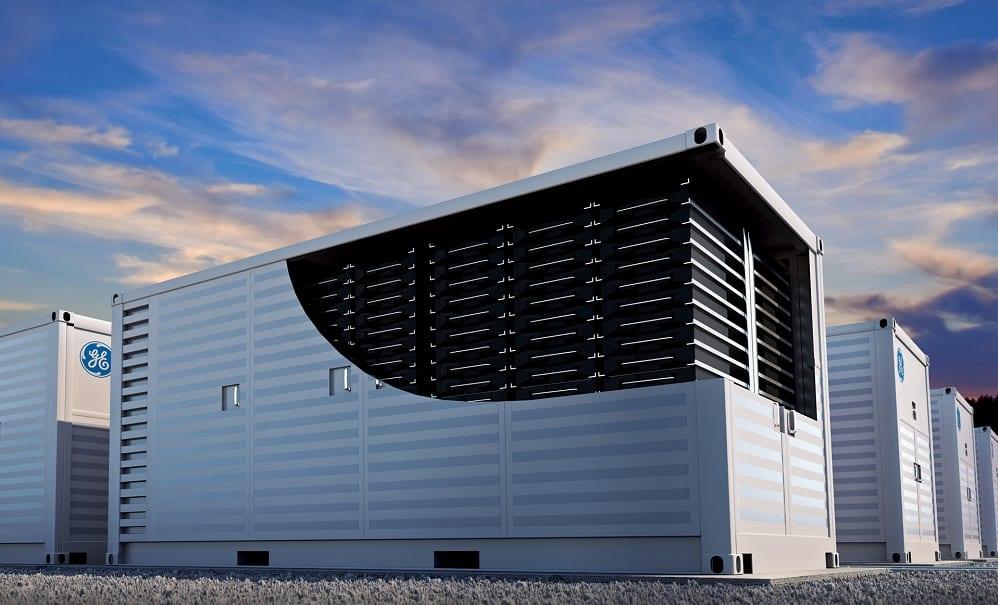
In an era where energy demands are growing robustly and the shift towards renewable sources is accelerating, the concept of scalable, flexible, and efficient energy storage has taken center stage. One of the most promising innovations in this space is the use of stackable batteries — battery systems designed to be modular, compact, and easily expandable. By enabling users to add or remove battery modules as needed, stackable batteries offer a dynamic energy storage solution that adapts to changing power requirements without the cumbersome commitment of fixed-capacity battery banks.
This article explores what stackable batteries are, how they work, their benefits, potential applications, and the challenges they present. By unpacking their advantages and limitations, we aim to provide a comprehensive overview of how modular power solutions are reshaping the landscape of energy storage — from residential systems to industrial applications and off-grid setups.
What Are Stackable Batteries?
At their core, stackable batteries are individual battery modules (usually lithium-ion) designed to connect seamlessly with one another to form a larger battery system. Each module typically contains its own cells, battery management system (BMS), and safety circuits. When multiple modules are connected — stacked — they operate together to provide greater capacity, higher power output, and improved flexibility in energy storage.
Unlike traditional battery setups, where the capacity is predetermined and fixed, stackable battery systems allow users to start small and expand capacity over time. This modular approach means that you can match your storage capacity to your actual needs at any given moment — and upgrade easily if your power demands increase.
Important characteristics of stackable battery systems include:
-
Modularity: Each battery module is independent, making maintenance, replacement, or expansion easy.
-
Plug-and-play connectivity: Modules are designed to integrate smoothly, often via standardized connectors and communication protocols.
-
Scalability: Users can start with a few modules and gradually scale up to a larger bank as needed.
-
Smart battery management: Integrated management systems oversee charging, discharging, cell balancing, and safety across the entire stacked array.
How Stackable Battery Systems Work
1. Module Design and Integration
A typical stackable battery module comprises several key components: lithium-ion cells (or other advanced battery chemistry), cell-balancing circuitry, a battery management system (BMS), thermal sensors, and physical connectors for linking modules. The BMS ensures cell balance, monitors temperature, voltage, and current to prevent overcharge, overdischarge, or thermal runaway.
When modules are stacked — often via a rail or plug system — their BMS units communicate with a central controller or with each other. This communications link ensures that the entire battery bank behaves as a unified system, optimizing charge/discharge cycles, distributing load evenly across modules, and managing safety protocols.
2. Charging and Discharging as a Unified System
Once connected, the battery modules share power internally to behave as one large battery. During charging, the system ensures even distribution of current so that all modules charge uniformly. During discharge or load conditions, the modules supply power collectively, enabling higher overall output than a single standalone battery.
Advanced stackable systems may also allow selective activation: for example, only some modules may discharge during low-power needs, while all modules kick in during high-demand periods. This helps extend the overall lifespan of the battery bank by reducing wear on each module.
3. Monitoring and Maintenance
A major advantage of modular battery systems is ease of maintenance. If one module fails or degrades prematurely, it can be replaced individually — without dismantling the entire system. The BMS can isolate problem modules and continue operating with the remaining ones, maintaining functionality even in partial failure scenarios.
Additionally, module-level monitoring allows users to track performance, capacity degradation, and cycle count per module — valuable data for planning upgrades or replacements over time.
Key Benefits of Stackable Batteries
Scalability and Flexibility
Stackable batteries give users the freedom to match battery capacity with their current energy needs. Whether you're powering a small solar setup, a mid-sized home, or a commercial facility, you aren’t forced into buying more capacity than needed — or stuck with inadequate capacity when demand grows. This modular flexibility helps optimize investment over time.
Cost‑Effectiveness Over Time
Although the initial per‑module price may be slightly higher than standard bulk batteries, the ability to expand gradually — and avoid over‑building — can lead to overall savings. You can defer additional expenditure until genuinely needed. Moreover, modular systems can result in lower maintenance costs, since individual modules can be replaced without discarding an entire battery bank.
Enhanced Safety and Reliability
Because each module is individually managed, issues in one part of the system (e.g., a failing cell or thermal anomaly) can be isolated without affecting the rest of the battery stack. This isolation enhances safety and improves the resilience of the power storage system. Redundancy in modules also ensures partial capacity remains available even if one module fails.
Ease of Maintenance and Upgrade
Need extra capacity? Just plug in another module. Have a failing or old module? Replace it without affecting the rest. This modular swap‑in swap‑out design significantly reduces downtime and simplifies maintenance — a stark contrast to traditional battery banks that often require full replacements or complicated reconfigurations.
Versatility Across Use Cases
Stackable batteries are well-suited for a wide array of applications:
-
Residential solar energy storage — homeowners can start with minimal capacity and expand as their household energy consumption increases or as they add more solar panels.
-
Commercial and industrial backup power — businesses can tailor capacity to their needs and scale as operations expand.
-
Off-grid and remote installations — modular systems are ideal for locations where energy demand varies or where transport constraints make large battery banks impractical.
-
Electric vehicles, marine systems, and mobile power units — modular battery stacks can adapt to diverse form factors and power requirements.
Typical Applications and Use Cases
Residential Solar Storage
Many homeowners are turning to solar energy to reduce electricity bills and ensure energy resilience. A stackable battery system enables homeowners to deploy a modest setup initially — perhaps enough to power lighting and a few appliances — then expand their storage over time as they add more solar panels or as their energy needs grow. This flexibility makes solar installations more affordable and future-proof.
Commercial and Industrial Backup
Commercial operations — offices, shops, warehouses — often require reliable backup power with flexibility to scale. Stackable batteries suit businesses because they allow incremental upgrades to capacity as business expands, without over-investing up front. For industries with variable energy loads, modular systems accommodate fluctuating demand without the need for a full battery bank overhaul.
Off‑Grid and Remote Systems
In off-grid setups like remote cabins, rural households, or field installations, energy needs can vary widely. Transporting and installing large, fixed-capacity batteries in such locations may be impractical. Stackable batteries — being modular and portable — solve this problem. Users can carry a few modules, then add more as demand grows or when logistics permit.
Mobile Power Solutions
For applications like marine vessels, recreational vehicles (RVs), or mobile workstations, modular battery stacks provide adaptable power storage. Their plug-and-play nature simplifies install/uninstall processes, making them ideal for systems where weight, space, or flexibility is a concern.
Disaster Preparedness and Backup Power
In regions prone to power outages — due to weather, grid instability, or other disasters — stackable batteries offer scalable backup solutions. Users can choose to deploy only a few modules for minimal essential loads (lights, communication devices), or scale up to support heavier loads if needed. Their modularity also simplifies replacement or expansion following a disruption.
Design Considerations and Technical Challenges
While stackable batteries provide many advantages, they also pose technical challenges and design considerations that potential users and system integrators must heed.
Thermal Management
Stacking multiple battery modules together can lead to heat accumulation — especially during rapid charge/discharge cycles. Efficient thermal management (cooling, ventilation, heat dissipation) is essential. Without it, modules risk overheating, which can shorten lifespan or pose safety hazards.
Uniform Charging/Discharging and Cell Balancing
For a multi-module stack to function optimally, all modules must charge and discharge in harmony. Imbalance between cells or modules can lead to reduced lifespan or uneven performance. A robust BMS and communication protocols are critical to ensure even current distribution, proper cell balancing, and synchronized operation.
Mechanical Design and Connectivity
Modules must connect seamlessly — electrically and mechanically. Poor connectors, loose contacts, or sub-optimal design can result in increased resistance, heat spots, or unreliable connections. The physical stacking system must remain secure, even under vibration (e.g., in marine or mobile applications), transport, or thermal expansion.
Capacity Planning and Module Compatibility
Users expanding their battery stack over time must ensure compatibility across modules — in terms of capacity, chemistry, voltage, and BMS protocols. Mixing disparate modules can cause performance issues or safety risks. Manufacturers must ensure long-term compatibility, or clearly mark module generations and specifications to avoid mismatches.
Lifecycle and Degradation
Even with modularity, lithium-ion batteries degrade with time and usage. Module-level degradation might occur unevenly if some modules are used more intensively than others. Planning for periodic replacement or rebalancing becomes crucial. Overusing older modules while newer ones are seldom used can lead to inefficiencies or failures.
Practical Steps for Deploying a Stackable Battery System
If you’re considering a stackable battery system — whether for your home, business, or off-grid setup — here are some recommended practical steps:
-
Assess your energy needs. Determine typical loads, peak demand, and backup requirements. Factor in future growth if you plan expansions.
-
Choose a reputable manufacturer/vendor. Look for proven products with robust BMS, good safety track records, and clear module compatibility.
-
Start small, plan for expansion. Begin with minimal modules to meet immediate needs; reserve budget and space for future capacity additions.
-
Design for thermal management. Ensure proper ventilation or active cooling in battery enclosures — especially if you expect heavy cycling.
-
Plan for maintenance and replacements. Keep logs of module cycles, health status, and performance. Replace individual modules before they degrade severely.
-
Ensure compatibility when upgrading. Verify that new modules match existing ones in voltage, chemistry, and communication protocols to avoid mismatches.
-
Monitor system performance. Use BMS tools, logging software, or manual tracking to monitor health, capacity wear, and load patterns.
Future Trends & Innovations in Modular Energy Storage
As demand for flexible, scalable power storage grows, several trends and innovations are emerging in the realm of stackable battery systems:
-
Improved battery chemistries: Advances in lithium‑ion technology, solid‑state batteries, or other next‑generation chemistries could offer higher energy densities, longer lifespans, and better safety — all beneficial for modular stacks.
-
Standardized module formats: Industry-wide standardization of module sizes, voltages, and communication protocols could enable cross-compatibility — letting users mix and match modules from different vendors.
-
Smart energy management systems: Integration with IoT, AI-powered energy optimization, and predictive maintenance tools will allow smarter balancing, load forecasting, and battery health management across modular stacks.
-
Hybrid storage solutions: Combining stackable batteries with supercapacitors, flywheels, or thermal storage to cover a wider range of energy storage requirements (from short‑burst to long‑term backup).
-
Integration with renewable grids and microgrids: Modular battery systems can support dynamic grid stabilization, peak-shaving, and energy trading — especially in decentralized, renewable-heavy power systems.
Are Stackable Batteries Right for You?
Deciding to adopt stackable batteries depends on a variety of factors — energy needs, budget, space, scalability plans, and willingness to manage a modular system. Below is a quick self‑check to help you decide:
|
✅ If these apply to you… |
❓ Then stackable batteries may be a good fit |
|
You expect your energy needs to grow over time. |
You can incrementally add modules as demand increases. |
|
You want flexibility without overcommitting your budget. |
You can start small and upgrade later, avoiding upfront overspending. |
|
You plan irregular or dynamic loads (e.g., seasonal, commercial, project-based). |
Modular storage offers adaptability to varying usage patterns. |
|
You value ease of maintenance and modular replacement. |
Faulty modules can be swapped without replacing the entire battery bank. |
|
You want backup power for essential loads, not full-scale battery capacity. |
Base modules can cover essentials, with option to expand when needed. |
However, stackable batteries might be less suitable if:
-
You require massive storage capacity immediately (in which case fixed large-capacity battery banks might be more cost-effective per kWh).
-
Thermal, spatial, or maintenance constraints make modular systems impractical.
-
You prefer a “set it and forget it” system with minimal ongoing management.
Conclusion
Stackable batteries represent a smart evolution in energy storage — combining modularity, scalability, and flexibility in a way that traditional battery banks cannot easily match. Whether the goal is to support a growing home solar installation, provide backup power for a business, enable off-grid living, or power mobile systems, modular battery stacks offer a tailored approach to energy storage: you size it for today, expand as tomorrow demands.
While there are engineering challenges — such as thermal management, module compatibility, and lifecycle degradation — robust design practices and smart battery management systems help mitigate these risks. As battery technology advances and standardization becomes more common, stackable battery systems are likely to play an ever more central role in how we store and manage energy.


 English
 Arabic
 French
 Spanish
 Portuguese
 Turkish
 Dutch
Dutch
 Italiano
 Russian
 Romaian
 Portuguese (Brazil)
 Greek
Greek
 Telugu