



The Changing Dynamics of Social Media
Most marketers assumed B2C marketing naturally performed better on social media because consumers are active, emotional, and engaged. But the emergence of platforms like LinkedIn, the rise of niche communities, and the growing influence of thought leadership have changed the rules.
B2B brands no longer play catch-up—they’re leading the game.
And here’s why.
Why B2B Beats B2C in Social Media Marketing
1. Targeted and High-Intent Audiences
-
B2B social media audiences are more focused, professional, and solution-driven.
-
Platforms like LinkedIn allow precise targeting based on industry, job title, company size, and skills.
-
Every engagement—like a comment, case study download, or event registration—signals clear intent.
Unlike B2C, where the audience scrolls for entertainment, B2B targets decision-makers who actively seek solutions, making conversions far more valuable.
2. Strong Thought Leadership Opportunities
-
B2B brands thrive on expertise, insights, and education.
-
Social media amplifies thought leadership through:
-
Expert posts
-
Industry commentary
-
Webinars
-
Whitepapers
-
Founder-led content
-
Buyers trust experts more than advertisements.
This gives B2B brands an edge, as consistent thought leadership builds authority and long-term loyalty—something B2C struggles to maintain unless it constantly spends on trends or influencers.
3. Higher ROI With More Sustainable Content
-
B2B content such as case studies, reports, infographics, and explainers offers long-term value.
-
Unlike B2C’s short-lived meme or trend-based strategy, B2B content gets re-shared and repurposed for months.
Result: higher ROI, lower content fatigue, and more meaningful engagement.
4. Relationship-Driven Engagement
-
B2B purchasing involves multiple decision-makers, long sales cycles, and continuous trust-building.
-
Social media platforms help brands nurture long-form relationships through:
-
Community groups
-
Personalized messages
-
Comment-based discussions
-
Educational content
-
In contrast, B2C interactions are quick, emotional, and easily forgotten.
B2B thrives because relationships—not impulse—drive conversions.
5. Better Analytics and Measurable Outcomes
-
B2B campaigns rely on clear metrics:
-
Lead quality
-
Conversion rates
-
Content engagement
-
Pipeline influence
-
Social media platforms now offer deep analytics that help B2B brands measure outcomes with precision.
B2C metrics often revolve around likes, impressions, and vanity numbers, which rarely reflect actual business impact.
6. Professional Networking Platforms Give B2B an Advantage
-
LinkedIn, X (formerly Twitter), and industry forums offer targeted communities ideal for B2B engagement.
-
These platforms naturally filter out irrelevant audiences, making every interaction more meaningful.
Meanwhile, B2C brands must fight for visibility on entertainment-driven platforms like Instagram or TikTok, where competition is endless.
Examples of B2B Success on Social Media
1. LinkedIn Thought Leadership
CEOs, founders, and product leaders sharing industry insights often generate massive traction—more than many B2C influencer posts.
2. Webinars & Virtual Events
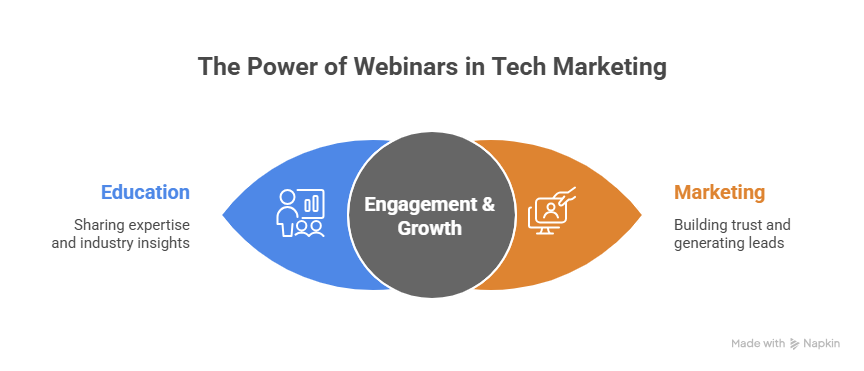
B2B webinars attract high-quality leads and establish expertise, providing better conversion rates than typical B2C campaigns.
3. Case Studies & Testimonials
Sharing real business outcomes builds strong credibility that deeply influences buyer decisions.
B2C rarely enjoys this level of impact from customer stories.
Why B2B Social Media Matters More Today
Stronger Need for Digital Presence
Post-pandemic, buyers prefer virtual engagement over in-person meetings.
Rise of Remote Work
Businesses rely heavily on digital platforms to evaluate vendors and solutions.
Growing Importance of Trust
B2B buyers research extensively—social media becomes a vital source of validation.
Together, these trends explain why B2B brands now outperform B2C on social media, especially when it comes to attracting qualified leads and building authority.
Best Practices for B2B Social Media Success
-
Share valuable insights, not just promotional content
-
Encourage leadership voices from founders and experts
-
Be consistent with posting and engagement
-
Use storytelling to humanize complex solutions
-
Leverage LinkedIn & niche communities for targeted reach
When done right, B2B marketing becomes more effective, more predictable, and more profitable on social platforms.
Conclusion
The marketing world is shifting. Today, Why B2B Beats B2C in Social Media Marketing is not just a statement—it’s a proven digital trend. B2B brands hold the advantage because they target high-intent audiences, offer value-driven content, and build credibility that lasts. As social media platforms evolve, this advantage will continue to grow, pushing B2C brands to rethink their strategies.
For marketers aiming to build influence, authority, and long-term business impact, B2B is where the real power lies.
Hashtags
#B2BMarketing #SocialMediaStrategy #DigitalBranding #ThoughtLeadership #MarketingTrends


 English
 French
 Spanish
 Portuguese
 Deutsch
 Turkish
 Dutch
Dutch
 Italiano
 Russian
 Romaian
 Portuguese (Brazil)
 Greek
Greek
 Telugu