



How Roof Installation Choices Affect Comfort and Energy Bills
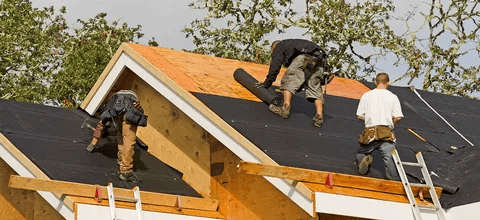
Roof installation is more than just putting shingles on a house; it directly affects your home’s comfort, energy efficiency, and long-term maintenance costs. Homeowners who invest in Roof Installation Services benefit from a properly installed, durable roof that protects against weather, reduces energy consumption, and enhances overall comfort. By understanding the various materials, insulation options, and professional installation techniques, you can make informed decisions that improve both comfort and utility savings.
Why Professional Roof Installation Matters
Selecting the right roof and ensuring professional installation is crucial. A poorly installed roof can lead to air leaks, heat loss, and higher energy bills, while a well-installed roof improves thermal efficiency and indoor comfort. Engaging Roof Installation Services in Aurora guarantees that experienced roofers evaluate your home, recommend suitable materials, and complete the installation with precision. Weaver Construction LLC is a trusted provider that combines technical expertise with attention to detail, ensuring a roof that performs efficiently and lasts for decades.
Key Factors That Influence Comfort and Energy Efficiency
Roofing Material Selection
Different roofing materials such as asphalt shingles, metal roofing, or tile have distinct thermal properties. Light-colored or reflective materials reduce heat absorption, keeping homes cooler during summer months. Conversely, insulated asphalt or composite shingles help retain heat in colder climates. Choosing the right material is one of the most important decisions in Roof Installation Services in Aurora, ensuring optimal comfort, energy efficiency, and long-term durability. Professional roofers evaluate local climate, home design, and insulation needs to deliver a roof that performs effectively year-round.
Proper Insulation and Ventilation
Insulation under the roof deck and proper attic ventilation work together to regulate temperature. Adequate insulation minimizes heat transfer, while ventilation removes excess heat and moisture. Professional roof installation contractors ensure that both elements are correctly installed, preventing energy loss and maintaining comfortable indoor conditions year-round.
Air Sealing and Flashing
Gaps around chimneys, vents, or skylights can compromise energy efficiency. Installing flashing correctly and sealing all penetrations reduces drafts, prevents leaks, and ensures optimal thermal performance. A skilled Roof Installation Contractor checks every detail to prevent costly energy waste.
Roof Slope and Design Considerations
The angle and design of your roof can impact airflow, drainage, and insulation effectiveness. Steeper slopes improve water runoff and reduce pooling, while low-slope roofs require careful installation to avoid leaks. Roofing professionals evaluate these factors to enhance both energy efficiency and long-term comfort.
Common Roof Installation Options and Their Benefits
Asphalt Shingles
Asphalt shingles are durable, cost-effective, and widely used in residential roofing. Modern shingles often come with reflective coatings that reduce heat absorption, contributing to lower cooling costs.
Metal Roofing
Metal roofs reflect solar heat and last for decades with minimal maintenance. They are especially effective in reducing energy bills in regions with high summer temperatures.
Tile and Slate Roofing
Clay or slate tiles provide excellent insulation properties and longevity. While heavier and more expensive, they enhance thermal efficiency and home comfort over time.
Energy-Efficient Membranes
For flat or low-slope roofs, energy-efficient membranes offer insulation and reflective surfaces to reduce heat gain. These systems are often installed by specialized roofers to maximize energy savings.
Conclusion
The choices made during roof installation have a direct impact on both comfort and energy bills. Engaging a professional company like Weaver Construction LLC for Roof Installation Services in Aurora ensures expert material selection, precise installation, and long-term energy efficiency. Proper planning, insulation, ventilation, and maintenance maximize comfort while reducing utility costs. For more detailed information on roofing materials and energy efficiency, you can visit Wikipedia’s Roof Article.
FAQs
How often should I have my roof inspected after installation?
Most experts recommend inspections once or twice a year, especially after severe weather.
Can roof material choice really affect energy bills?
Yes, reflective or insulated materials reduce heat transfer, significantly impacting heating and cooling costs.
Is professional installation really necessary?
Yes, professional roofers ensure proper alignment, flashing, and insulation, which prevent energy loss and prolong roof life.
What is the average lifespan of a professionally installed roof?
Depending on material, a well-installed roof can last 20–50 years, with tile and metal often lasting longest.
Can proper ventilation reduce indoor temperatures in summer?
Absolutely. Proper airflow prevents heat buildup in the attic, lowering indoor temperatures and easing air conditioning demands.


 English
 Arabic
 French
 Portuguese
 Deutsch
 Turkish
 Dutch
Dutch
 Italiano
 Russian
 Romaian
 Portuguese (Brazil)
 Greek
Greek
 Telugu